
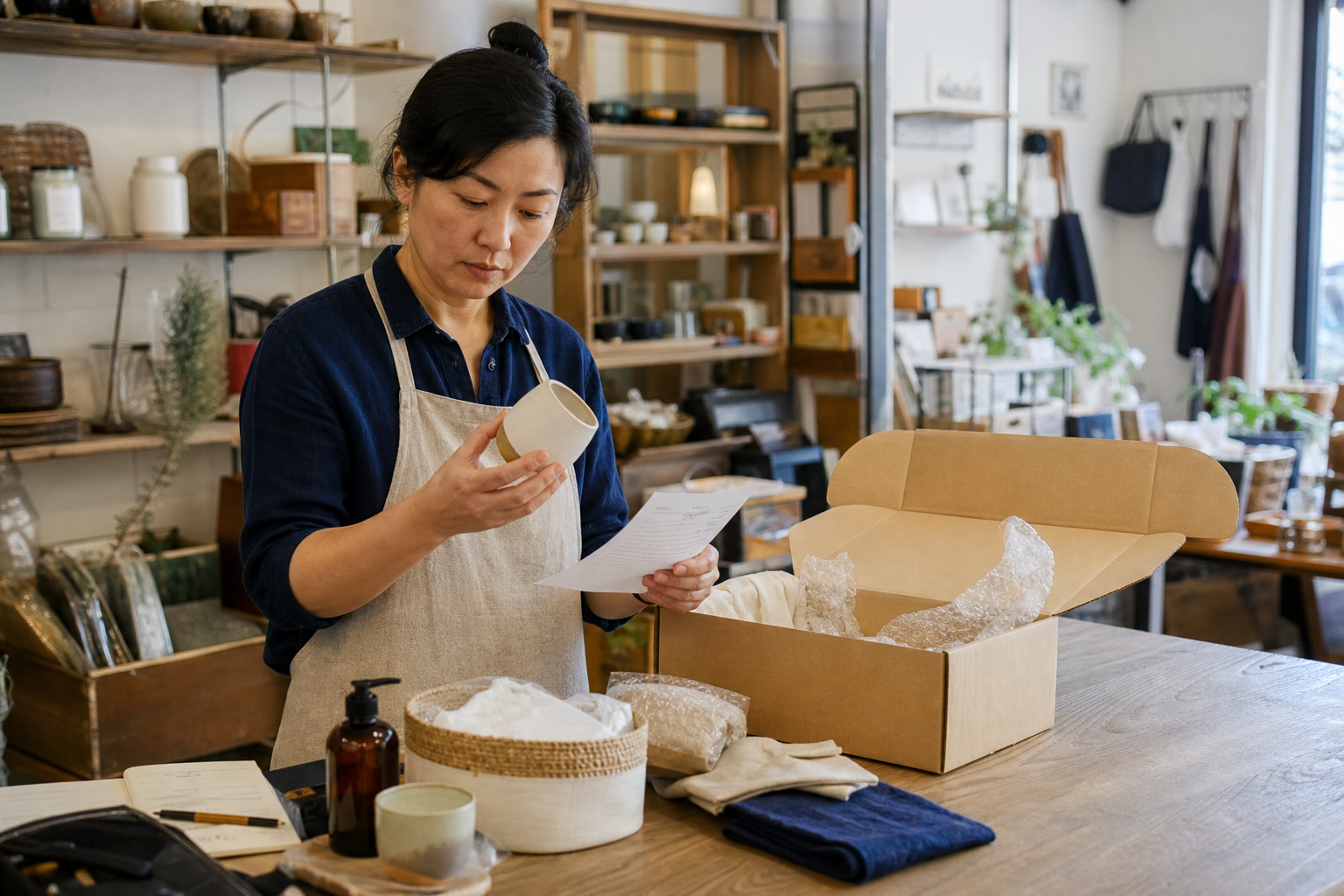
For small retailers, importing from China used to feel like a game reserved for big corporations. High minimum orders, complex logistics, language barriers, and quality risks made it nearly impossible for independent stores to compete. That’s no longer the case.
Today, professional China sourcing agents have built services specifically designed for small retailers, enabling them to access the same factories, pricing, and quality control that large importers enjoy, without the risks and commitments that once made sourcing from China prohibitive.
This guide walks you through everything a small retailer needs to know about importing from China safely and profitably.
Why Small Retailers Should Consider China Sourcing
Small retailers face a constant challenge: how to offer competitive pricing while maintaining healthy margins. The answer often lies in where you source.
The Margin Advantage
Products sourced directly from Chinese manufacturers typically cost 30–50% less than buying through domestic wholesalers. For a small retailer operating on 40–60% gross margins, this difference can transform profitability.
Consider a typical product:
- Domestic wholesale price: $15 per unit
- China factory-direct price: $7–9 per unit
- Landed cost, including shipping: $9–11 per unit
- Potential margin improvement: 15–25 percentage points
Access to Unique Products
China’s manufacturing ecosystem produces products that simply aren’t available through domestic wholesalers. Small retailers can differentiate themselves by offering:
- Innovative consumer electronics
- Trending home and lifestyle products
- Unique accessories and gadgets
- Products from emerging Chinese brands
Scalability Without Commitment
Modern sourcing services allow small retailers to start with small orders and scale as demand grows, without long-term contracts or large upfront investments.
The Old Barriers and How They’ve Been Removed
Barrier 1: High Minimum Order Quantities
Traditionally, Chinese factories required MOQs of 500–5,000 units, far beyond what a small retailer could sell or afford.
The solution: Professional China sourcing agents now aggregate orders from multiple small buyers, enabling MOQs as low as 50 units. Some agents even offer sample orders of 5–10 units for product testing.
Barrier 2: Quality Uncertainty
Ordering from a factory 5,000 miles away with no way to verify quality was a leap of faith many small retailers couldn’t take.
The solution: One-by-one quality control video reports have transformed transparency. Before any shipment leaves China, retailers receive:
- HD video footage of every unit being inspected
- Structured checklists documenting quality standards
- Photo evidence of packaging and labeling
- Written inspection reports
This level of visibility means you can approve or reject products before they ship, eliminating the surprise of receiving unsellable inventory.
Barrier 3: Complex Logistics
International shipping, customs clearance, and import documentation were enough to discourage even experienced retailers.
The solution: One-stop sourcing services now handle the entire logistics chain:
- Factory coordination and production monitoring
- Quality control inspections
- Warehousing and order consolidation
- Export documentation and customs clearance
- Final delivery to your store or warehouse
You place one order and receive products at your door. The agent handles everything in between.
Barrier 4: Service Fees Eating Margins
Traditional sourcing agents charged 3–10% service fees on top of product costs, significantly reducing the cost advantage of importing from China.
The solution: Some China sourcing agents have adopted a $0 consultation fee model, integrating operational costs into competitive wholesale pricing. This means:
- No hidden commissions
- No surprise charges
- Transparent pricing from the start
- Better cash flow management
How to Get Started: A Step-by-Step Guide for Small Retailers
Step 1: Identify Your Product Opportunities
Start by analyzing your current product mix and identifying categories where:
- Your current wholesale costs are high
- Customers are asking for products you don’t carry
- Competitors are offering products at lower prices
- Trending items could drive foot traffic or online sales
Step 2: Find a Verified China Sourcing Agent
Not all sourcing agents are created equal. Look for:
- Verified factory relationships and available audit reports
- Transparent pricing with no hidden fees
- Quality control video reports as standard practice
- Low MOQ capabilities of 50 units or less
- Responsive communication via WhatsApp or WeChat
- Experience working with small retailers
Step 3: Request Samples and Test
Before committing to a full order:
- Order samples of 5–10 units
- Test product quality in person
- Verify packaging and labeling meet your standards
- Get customer feedback if possible
Step 4: Place Your First Order
Start with a manageable quantity:
- Order 50–100 units of your best-performing sample products
- Use the agent’s quality control service for full inspection
- Arrange shipping to your store or warehouse
- Track your order in real time
Step 5: Evaluate and Scale
After your first order:
- Calculate your actual landed cost per unit
- Compare margins to your domestic sourcing
- Assess product quality and customer response
- Plan your next order based on sales data
Real-World Scenarios for Small Retailers
Scenario 1: The Independent Gift Shop
A gift shop owner in the US was buying decorative items from domestic wholesalers at $12–18 per unit. By sourcing directly from verified China suppliers through a professional agent, she reduced costs to $5–8 per unit while maintaining the same quality. The margin improvement allowed her to expand her product range from 200 to 350 SKUs without increasing her budget.
Scenario 2: The Electronics Accessories Store
A small electronics retailer wanted to offer phone cases and charging accessories but found domestic wholesale prices too high to compete with online retailers. By importing from China with a low MOQ of 100 units per product, he tested 10 different products with minimal risk. Within three months, he identified four best-sellers and scaled those lines, improving his overall gross margin by 18 percentage points.
Scenario 3: The Boutique Home Goods Store
A boutique retailer specializing in home goods needed unique products that weren’t available through domestic distributors. Working with a China sourcing agent, she developed an exclusive line of kitchen gadgets under her own brand using OEM services. The custom products became her store’s top sellers and couldn’t be found anywhere else in her market.
Risk Management: Protecting Your Business
- Start small: Never commit to large orders before testing product quality and market demand. Start with 50–100 units and scale based on results.
- Use quality control: Always opt for professional quality control inspections with video reports. The cost is minimal compared to the risk of receiving unsellable inventory.
- Diversify suppliers: Don’t rely on a single factory for all your products. Work with multiple verified suppliers to reduce dependency.
- Plan for lead times: Factor in 30–45 days from order to delivery. Maintain safety stock to avoid running out of popular items while waiting for replenishment.
- Understand landed costs: Calculate your total landed cost, including product cost, shipping, customs duties, and insurance, before making purchasing decisions. A professional sourcing agent will provide transparent cost breakdowns.
The Competitive Advantage for Small Retailers
Small retailers who embrace China sourcing gain advantages that were once exclusive to large importers:
- Better margins: 15–25 percentage point improvement on sourced products
- Unique products: Access to items not available through domestic wholesalers
- Brand building: OEM/ODM capabilities to create exclusive product lines
- Agility: Low MOQ allows rapid testing and pivoting based on market trends
- Customer loyalty: Unique products and competitive pricing drive repeat business
What to Look for in a Sourcing Partner
When choosing a China sourcing agent for your small retail business, prioritize:
- Low MOQ: Can they support orders of 50–100 units?
- $0 consultation fee: Is pricing transparent with no hidden costs?
- Quality control: Do they provide HD video inspection reports?
- Verified suppliers: Can they prove factory relationships?
- One-stop service: Do they handle everything from sourcing to delivery?
- Communication: Are they responsive via WhatsApp or WeChat?
- Small business experience: Do they understand the needs of small retailers?
The Bottom Line
China sourcing is no longer reserved for large corporations. With the right partner, small retailers can access factory-direct pricing, verified suppliers, professional quality control, and end-to-end logistics, all with low MOQ and $0 consultation fee.
The retailers who adapt first will gain a significant competitive advantage: better margins, unique products, and the agility to respond to market trends faster than competitors still relying on domestic wholesalers.
For small retailers ready to explore China sourcing, the message is clear: the barriers have been removed. The only question is whether you’ll take advantage of this opportunity before your competitors do.
Ready to start sourcing from China? Easy Buy China provides one-stop sourcing services for small retailers with $0 consultation fee, low MOQ of 50 units, and HD video quality control reports. Contact us today for a free sourcing plan.